How to Maintain Rotating Machines for Optimal Performance?
In the world of engineering, maintaining Rotating Machines is vital for their longevity and efficiency. According to Dr. John Harper, a leading expert in mechanical systems, "Regular maintenance is the key to unlocking optimal performance of all rotating machines." His words resonate deeply within the industry.
Rotating Machines, such as motors, turbines, and compressors, play a critical role in numerous applications. Neglecting their upkeep can lead to costly downtimes. For example, a small misalignment can escalate into significant failures. Operators often overlook basic checks, such as vibration analysis and lubrication. These essential practices ensure that machines function smoothly.
Moreover, practical maintenance schedules can sometimes be vague. There is a need for a more structured approach to account for individual machine characteristics. This nuanced understanding can help prevent unexpected breakdowns. Investing time and resources into maintenance can enhance overall productivity. Recognizing these pointers is essential for anyone involved in managing Rotating Machines.
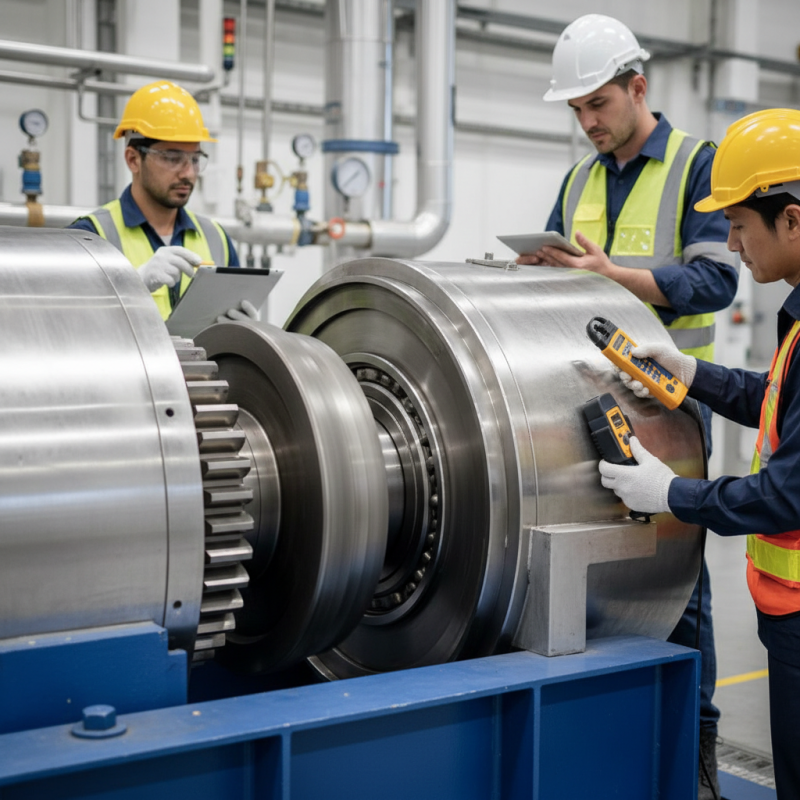
Importance of Regular Maintenance for Rotating Machines
Regular maintenance of rotating machines is crucial for their longevity and efficiency. According to industry reports, about 30% of unexpected equipment failures can be attributed to poor maintenance practices. This statistic highlights the need for consistent upkeep. By neglecting maintenance, companies face longer downtimes and increased repair costs.
Vibration analysis and thermal imaging are effective tools for monitoring the health of rotating machines. These methods can detect issues before they escalate. Regular inspections can reduce maintenance costs by up to 25%. Yet many facilities overlook these proactive measures. The temptation to delay maintenance is common, but it often leads to costly outcomes.
Operators need to develop and implement structured maintenance schedules. Following a detailed checklist minimizes human errors. Data from various studies indicates that nearly 70% of mechanical failures could be prevented through effective lubrication and timely part replacements. Relying solely on reactive maintenance is risky. Companies should consider an integrated approach to maintenance for better reliability.
Recommended Maintenance Intervals Based on Industry Standards
Maintaining rotating machines is crucial for optimal performance. Industry standards suggest specific maintenance intervals to ensure reliability. According to a study by the American National Standards Institute, machines should undergo preventive maintenance every 200 to 500 operating hours, depending on the type. For instance, electric motors typically require checks every 300 hours. Failing to adhere to these guidelines can lead to breakdowns and costly repairs.
Tips: Regular lubrication is vital. Use proper lubricants recommended in your equipment guidelines. Over-lubricating can create problems, too. Track operating hours accurately. It helps you schedule maintenance effectively.
Frequency of balance checks also matters. Every 12 months is a common recommendation. Yet, older machines might need more frequent monitoring. Vibration analysis can reveal underlying issues before they escalate. Underestimating problems can waste resources and time.
Tips: Maintain records of all maintenance work. Accurate documentation improves accountability. Review these records regularly to identify patterns. Don't overlook minor issues; they can lead to massive failures.
Common Issues in Rotating Machines and Their Preventive Measures
Rotating machines are essential in various industries, yet they face common issues that can affect performance. Vibration problems often arise due to misalignment, imbalance, or wear. According to industry data, 33% of machine failures are caused by these vibration issues. Regular monitoring can mitigate this risk.
Tip: Utilize vibration analysis tools to detect issues early. Monthly checks can save costs and prevent downtime.
Lubrication is another critical area. Insufficient lubrication can lead to overheating and increased wear. Reports indicate that over
40% of machine failures can be traced back to improper lubrication practices. It is essential to use the right lubricant and maintain appropriate levels regularly.
Tip: Establish a routine lubrication schedule.
This reduces the likelihood of catastrophic failures.
Heat generation is also a concern. Excessive heat can damage components and reduce efficiency. Nearly
20% of rotating machine issues relate to thermal overload.
Keeping machines cool and ensuring adequate airflow are vital for longevity.
Tip: Monitor temperature readings consistently. Install temperature sensors for real-time data. Regular reviews can uncover trends needing attention.
Utilizing Vibration Analysis for Performance Monitoring
Vibration analysis is a powerful tool for maintaining rotating machines. It helps identify issues before they turn into larger problems. By measuring vibrations, you can monitor the health of machinery in real-time. Anomalies in vibration patterns can indicate wear, misalignment, or imbalance in components. Regular monitoring can extend the lifespan of machines and prevent costly downtime.
Tips for effective vibration analysis include setting baseline measurements. Take readings when machines are in optimal condition. Use these readings for future comparisons. Inspect your sensors frequently as they can drift over time. Also, ensure your data collection methods are consistent to avoid misleading results. Inconsistent methods lead to confusion and poor decisions.
Visualize your data through graphs. This makes spotting trends easier. However, don't rely solely on technology. Human intuition still plays a crucial role. Sometimes, operators sense problems before tools do. Trusting experienced personnel can be invaluable. Incomplete data can also mislead analysis. Always keep an eye on the bigger picture. If something feels off, it probably is.
Vibration Analysis Data for Rotating Machines
Lubrication Best Practices for Enhanced Efficiency in Rotating Equipment
Lubrication is crucial for the performance of rotating machines. It reduces friction, minimizes wear, and enhances efficiency. Proper lubrication can extend equipment life and lower maintenance costs. Here are some best practices to follow.
Maintain a consistent lubrication schedule. Regularly check oil levels and replace lubricants per the manufacturer's recommendations. Use the right type of lubricant for your specific equipment. It's essential to consider viscosity and compatibility with existing lubricants. Regularly inspect lubricant condition; dirty oil can harm machines.
Tip: Always clean the lubrication points before adding lubricant. Contaminants can cause damage over time.
Consider the environment where machines operate. Factors like temperature, humidity, and dust exposure can affect lubrication effectiveness. In harsh conditions, more frequent checks may be necessary. If your machines show unusual noises or temperature fluctuations, consider re-evaluating your lubrication strategy.
Tip: Monitor and document lubrication practices. This can help identify patterns or issues for future improvements.
How to Maintain Rotating Machines for Optimal Performance?
| Aspect | Best Practices | Frequency | Notes |
| Lubrication Type | Use high-quality synthetic lubricants | Every 500 operating hours | Consult manufacturer specifications |
| Temperature Monitoring | Install temperature sensors | Continuous | Critical for identifying overheating issues |
| Vibration Analysis | Regularly conduct vibration tests | Every 1000 operating hours | Helps detect mechanical imbalances |
| Seal Inspection | Check seals for wear and tear | Every 2000 operating hours | Prevents contamination and leaks |
| Cleaning | Regularly clean the rotating parts | Monthly | Enhances performance and lifespan |