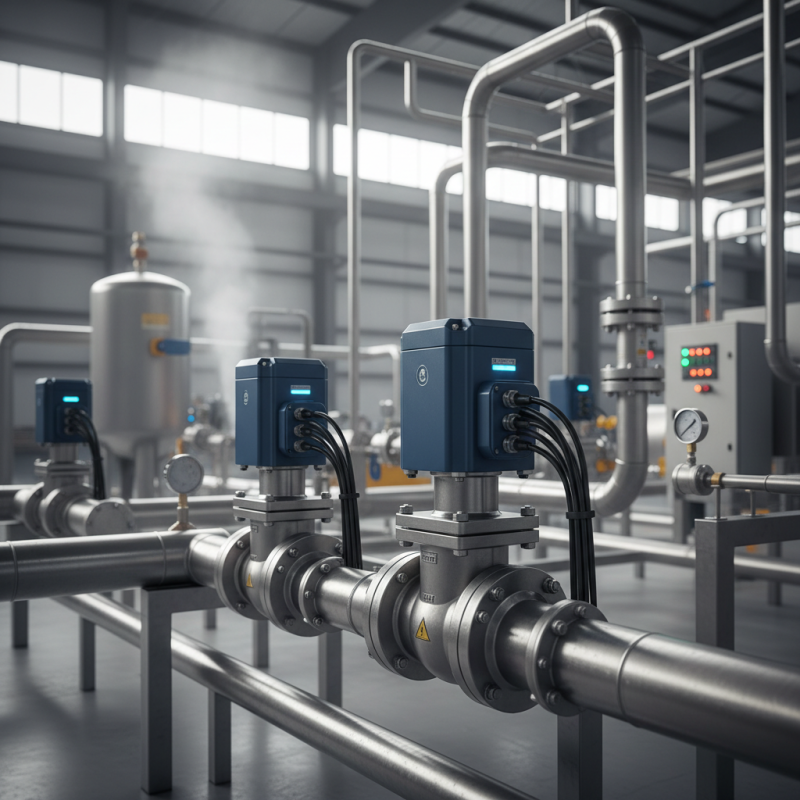
Why Choose Electric Ball Valves for Your Industrial Needs?
Electric Ball Valves are becoming essential in modern industrial applications. They offer precise control over fluid flow and reduce manual labor. These valves operate silently and efficiently, making them suitable for various environments.
Their design ensures durability, even under extreme conditions. Electric Ball Valves require minimal maintenance, which can save time and costs. However, reliance on electrical systems can sometimes lead to vulnerabilities, particularly during power outages.
Industries are increasingly adopting these valves for enhanced operations. However, it’s crucial to consider factors like compatibility and installation. Despite some potential downsides, the benefits often outweigh the challenges. Electric Ball Valves are an effective choice for improving efficiency in many sectors.
Benefits of Electric Ball Valves in Industrial Applications
Electric ball valves are becoming increasingly popular in industrial settings. Their precision and reliability offer significant benefits. According to a recent market report, the global electric valve market is projected to reach $2.2 billion by 2025, growing at a rate of 5.6% annually. This growth reflects the rising demand for efficient flow control systems.
One key advantage is energy efficiency. Electric ball valves consume less energy compared to pneumatic or hydraulic alternatives. Industries can save on energy costs, especially in large-scale operations. According to industry data, switching to electric valves can lead to a 20% reduction in energy use. This saving is crucial for sustainability efforts.
Moreover, these valves provide quick and accurate response times. They can be controlled remotely, adding flexibility to operations. Quick adjustments can prevent system failures. However, installation requires careful planning. Improper setup can lead to performance issues. Many facilities need training for staff to avoid common mistakes. Addressing these challenges is vital for maximizing the benefits of electric ball valves.
Benefits of Electric Ball Valves in Industrial Applications
Key Features of Electric Ball Valves: Efficiency and Precision
Electric ball valves are gaining popularity in industrial settings due to their efficiency and precision. These valves are designed for quick operation and provide tight sealing, essential for controlling flow. Their electric actuation allows for automatic adjustments, reducing manual labor. Operators can manage processes more effectively with minimal downtime.
Efficiency is a key feature. Electric ball valves use less energy compared to traditional systems. They minimize leaks and ensure consistent flow rates. However, it's important to calibrate them carefully. Misalignment can lead to performance issues. Precision control allows for accurate flow regulation, catering to specific requirements.
Despite the benefits, challenges do exist. Installation can be complex, especially in existing systems. Maintenance is crucial for long-term performance. Regular checks are necessary to prevent unexpected failures. Investing in training for staff is vital to ensure proper handling and operation. Understanding these factors can lead to more informed decisions about using electric ball valves.
Comparison of Electric Ball Valves and Manual Valves
When considering valves for industrial applications, electric ball valves have distinct advantages over manual valves. Electric ball valves offer automation. They can be operated remotely, which saves time and labor. This feature is particularly useful in large facilities. Operators do not need to be physically present to control the flow. However, this also means that a failure in the electric system can cause delays. Manual valves, in contrast, provide direct control. They may require more physical effort but can be more reliable in some situations.
In terms of precision, electric ball valves excel. They provide consistent control over flow and pressure. Adjustments can be made with great accuracy. This can lead to improved process efficiency. Yet, the complexity of electric actuators may introduce potential points of failure. Manual valves are simpler and less prone to technical issues. There might be less accuracy in flow control, which can affect overall performance.
Cost is another crucial aspect. Electric ball valves tend to have a higher initial investment. However, the savings in labor and efficiency can outweigh this cost in the long run. Manual valves require less investment upfront. But they may lead to higher labor costs over time. Each option has its pros and cons that require careful consideration. Evaluating the specific needs of a facility is essential for making the right choice.
Factors to Consider When Choosing Electric Ball Valves
When considering electric ball valves for industrial applications, a few critical factors come into play. The valve's material must align with the substances it will handle. Corrosion-resistant materials are essential if your operations involve chemicals. If not, a basic stainless steel option may suffice. Always assess the operating conditions; extreme temperatures and pressure require robust valve designs.
The actuator type is another vital consideration. Electric actuators can be direct or modulating. Direct actuators provide on/off control, while modulating allows for precise flow regulation. Depending on your needs, the choice can impact efficiency significantly. Some operations may overlook the importance of power supply requirements. Ensure your facilities can support the actuator’s power needs without overload risks.
Installation can be tricky, especially in cramped spaces. Always account for accessible maintenance points. A well-placed valve can make regular checks easier. However, valve failures can occur. Be ready with a plan for troubleshooting. This foresight might save time and money in crisis situations. Integration with existing systems is also crucial. Ensuring compatibility can prevent operational disruptions and enhance overall productivity.
Why Choose Electric Ball Valves for Your Industrial Needs? - Factors to Consider When Choosing Electric Ball Valves
| Feature | Description | Advantages | Considerations |
| Actuation Type | Electric actuation for remote control | Improved automation and precision | Requires power supply and control systems |
| Material | Common materials: stainless steel, PVC | Corrosion resistance and longevity | Material compatibility with fluids |
| Size | Available in various sizes from 1/2" to 12" | Versatile use across different applications | Sizing for system requirements is crucial |
| Flow Characteristics | Full bore design minimizes pressure drop | Enhanced efficiency in fluid control | Determine flow requirements accurately |
| Control Options | Manual, remote or automated control options | Flexible integration into existing systems | Compatibility with control systems necessary |
Maintenance and Longevity of Electric Ball Valves in Industries
Electric ball valves are becoming a popular choice in various industrial applications. Their maintenance and longevity are crucial for ensuring smooth operations. These valves are designed for durability. They operate efficiently and require less frequent servicing compared to traditional valves. Regular maintenance can significantly extend their lifespan.
When working with electric ball valves, ensure that they are inspected regularly. Look for wear or damage, especially in harsh environments. Clean the valves periodically to prevent buildup. This helps maintain optimal performance and longevity.
Tip: Implement a maintenance schedule for your electric ball valves. This can prevent unexpected failures. It’s essential to train staff on operational best practices. Ensure they know how to operate the valves correctly. Misuse can lead to premature wear.
Another consideration is the environment. Extreme temperatures and corrosive substances can affect valve performance. Using appropriate materials can mitigate these risks. Always refer to the manufacturer’s guidelines for installation tips and maintenance recommendations. This can help you avoid costly mistakes.