What is a Bench Top Milling Machine and How Does It Work?
In the world of precision machining, the "Bench Top Milling Machine" stands out as a crucial tool. According to Jim Thomas, a leading expert in manufacturing technology, “A bench top milling machine combines versatility with precision, making it essential for small workshops.” This machine allows users to perform intricate tasks in a compact space.
Bench top milling machines are often used for hobby projects and small production runs. Their size does not diminish their capabilities. They are designed for detailed work, offering accuracy that larger machines may lack. However, the learning curve can be steep. Many users find themselves overwhelmed by the array of settings and potential adjustments.
Reflection is key in mastering the use of a bench top milling machine. Experimenting with different techniques can enhance skills. Yet, mistakes are inevitable. Each error provides an opportunity for growth and understanding. The journey to proficiency is equally as important as the end product.
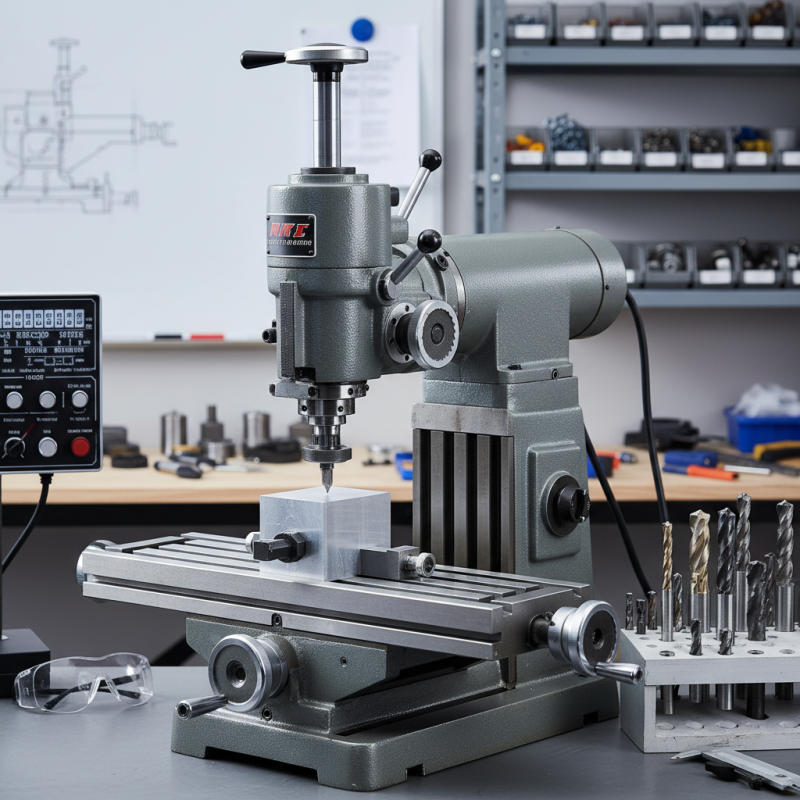
Definition and Purpose of a Bench Top Milling Machine
A bench top milling machine is a compact and versatile tool used for shaping materials. It is often found in small workshops and hobbyist spaces. The primary purpose of this machine is to precisely cut and mill various metals and materials. Engineers and enthusiasts utilize these machines for prototyping parts, creating intricate designs, and modeling projects.
These machines typically feature a sturdy base and a rotary cutting tool. The workpiece is securely clamped onto the table. Users can adjust the table's height and angle for different milling operations. This setup allows for accuracy and flexibility. Many beginners may find the initial setup challenging. Ensuring everything is aligned can take some time.
**Tips:** Regular maintenance is crucial. Lubricate movable parts to ensure smooth operation. Always check the cutting tool before starting. A dull tool can ruin your project.
Milling can be a trial-and-error process. Not every cut will be perfect, especially when starting. Mistakes happen. The key is to learn from them. Each mishap offers insights into improving skills and techniques.
Key Components of a Bench Top Milling Machine
A bench top milling machine is designed for small-scale machining tasks. Its compact size offers ease of use and versatility. Key components play a critical role in its efficiency.
The milling head is one essential part. It encompasses the motor and spindle. The spindle holds the cutting tool securely. Proper alignment is vital for precise cuts. An estimated 30% of errors in machining stem from misalignment, which can lead to costly mistakes.
Another vital component is the table. It supports the workpiece during milling. The table can be adjusted for height and angle, allowing for various machining operations. However, a poorly secured workpiece may slip, compromising the quality of the work. Industry reports suggest that ensuring a stable table setup can reduce such incidents by 25%.
Furthermore, the axis controls allow for intricate movements. They enable operators to navigate complex designs. A study indicated that machines with advanced axis controls can increase productivity by up to 40%. Despite the advantages, operators must be cautious. Overusing the controls without proper training can cause errors. Understanding each component’s function improves overall performance.
How to Operate a Bench Top Milling Machine Effectively
Operating a bench top milling machine requires skill and attention. Proper setup is key. Start by securing the workpiece in place. Use clamps or vises, ensuring it won’t move during milling. Avoid using worn-out tools. They can cause imprecise cuts and affect surface quality.
Understanding feed rates is crucial. A study by the Michigan Manufacturing Technology Center reveals that optimal feed rates improve productivity by 20%. However, pushing too hard can lead to tool breakage. Keep a close eye on the machine's vibrations as they indicate potential issues. If you notice excessive chatter, reconsider your settings.
Moreover, operator safety is paramount. Always wear safety goggles when operating the machine. It's easy to overlook safety procedures in a fast-paced environment. Accidents can lead to serious injuries. Regular training helps maintain awareness and reinforces the importance of safety protocols. Remember, effective operation isn’t just about speed; precision and safety must come first.
What is a Bench Top Milling Machine and How Does It Work?
| Feature | Description |
| Size | Typically compact and designed to fit on a bench, often with a work area of about 18" x 6". |
| Functionality | Used for milling operations such as cutting, drilling, and shaping materials like metal, plastic, and wood. |
| Motor Power | Range from 0.5 HP to 3 HP depending on the model and manufacturer. |
| Control Type | Can be manual, CNC, or a combination of both. |
| Key Features | May include variable speed settings, digital readouts, and automatic lubrication systems. |
| Applications | Used in hobbyist projects, prototyping, small batch production, and educational settings. |
Common Applications of Bench Top Milling Machines
Bench top milling machines are versatile tools used in various industries. They are compact and suitable for small workshops. These machines excel in tasks like milling, drilling, and engraving. The precision they offer makes them crucial for different applications.
In manufacturing, bench top mills aid in creating intricate parts. Engineers often use them for prototyping. This allows for adjustments during the design phase. Hobbyists also appreciate these machines for crafting models and custom parts. They can cut metal, plastic, and wood, expanding their utility.
Education is another area where bench top milling machines shine. Students in technical schools learn hands-on skills. However, proper training is essential. Misuse can lead to mistakes and injuries. Maintenance is also key. Regular checks can prevent unexpected downtime. Practicing safety and understanding the machine can significantly enhance the experience.
Maintenance Tips for Longevity of Bench Top Milling Machines
Bench top milling machines are versatile tools widely used in workshops. To ensure their longevity, regular maintenance is crucial. One key aspect is keeping the machine clean. Dust and debris can accumulate, affecting performance. A soft brush or compressed air can help remove these particles. Cleanliness is essential but often overlooked.
Lubrication plays an important role in machine care. It reduces friction and wear. Use the manufacturer’s recommended oil for lubrication. However, excessive oil can create more mess. Checking oil levels often can prevent issues down the line.
Also, inspect the machine for loose parts. Regularly tighten screws and bolts. This small step can prevent bigger problems. Operators sometimes forget to check these details. Lastly, following a regular maintenance schedule can make a significant difference. The machine should be checked at regular intervals, not just when something goes wrong. Creating a simple checklist can help keep everything on track.